



The U.S. Department of Energy’s Advanced Building Construction (ABC) Initiative is making significant strides in enhancing productivity within the construction sector. Launched with ambitious goals for 2026, the initiative aims to tackle two pressing issues: housing affordability and energy efficiency. By leveraging off-site manufacturing and innovative technologies, the ABC Initiative is changing how buildings are constructed, ultimately aiming to reduce costs and improve overall efficiency.
As of 2026, the initiative has set a target to increase the use of off-site manufacturing in new construction projects. This approach allows for components of buildings to be prefabricated in controlled environments, which can significantly streamline the construction process. By shifting some of the work away from the job site, teams can reduce the time spent on-site and minimize the disruptions that often plague traditional construction methods. This shift not only enhances productivity but also contributes to improved safety and quality control.
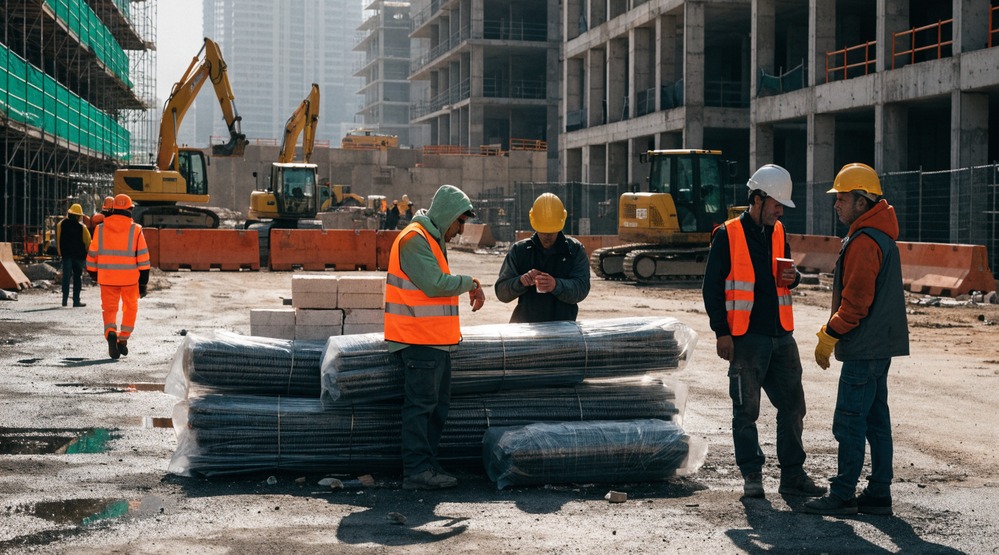
One of the most notable impacts of the ABC Initiative is its effect on crew operations. With off-site manufacturing, crews can focus on assembly rather than fabrication, allowing for a more efficient use of labor. This change has led to a reduction in the number of workers needed on-site at any given time, which can help alleviate labor shortages that have been a persistent challenge in the construction industry. In addition, the streamlined workflow means that crews can complete projects faster, ultimately leading to quicker delivery times for new housing.
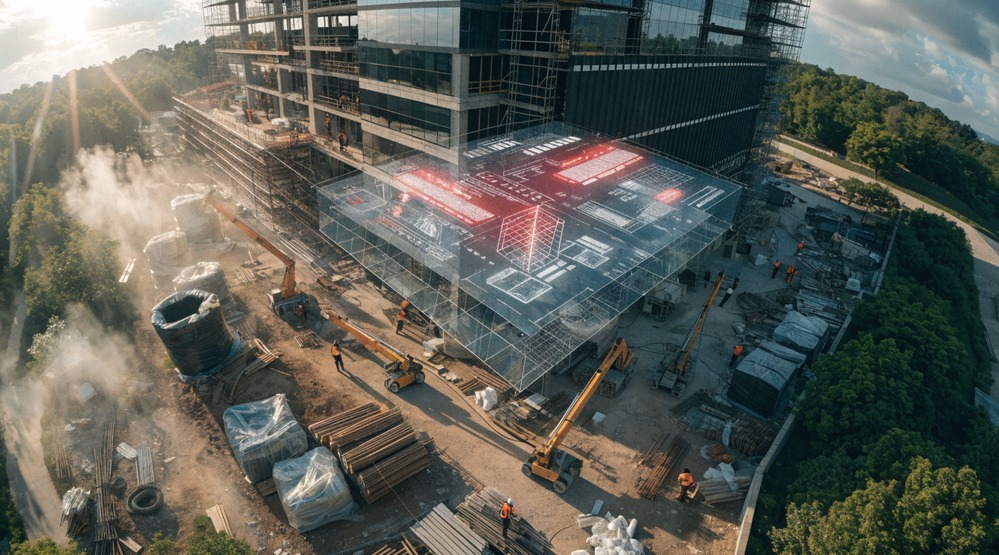
Planning processes have also seen improvements under the ABC Initiative. By utilizing advanced technologies such as Building Information Modeling (BIM) and digital project management tools, teams can better coordinate their efforts and anticipate potential challenges before they arise. This proactive approach to planning reduces the likelihood of costly delays and rework, which have historically plagued construction projects. The result is a more predictable timeline and budget, which is crucial for maintaining affordability in housing.
Procurement processes have evolved as well. The ABC Initiative encourages the use of standardized components that can be easily sourced from manufacturers specializing in off-site production. This not only simplifies the procurement process but also allows for bulk purchasing, which can drive down costs. As a result, builders can pass these savings on to consumers, making housing more affordable. The initiative’s focus on energy efficiency also means that many of these components are designed to meet or exceed current energy standards, further enhancing the value of new homes.
Looking at the metrics from 2024 and 2025, the ABC Initiative has already shown promising results. Projects utilizing off-site manufacturing have reported productivity increases of up to 30% compared to traditional construction methods. These improvements are not just theoretical; they are translating into real-world benefits for builders and homeowners alike. By 2026, the initiative aims to expand these practices further, with a goal of having a significant portion of new residential construction utilizing off-site methods.
However, the transition to off-site manufacturing is not without its challenges. Initial capital investments can be high, and there is a learning curve associated with adopting new technologies and processes. Builders must also consider the disruption that comes with changing established workflows. Training crews to work with new materials and methods requires time and resources, which can be a barrier for some companies. Nonetheless, the long-term benefits of increased productivity and reduced costs often outweigh these initial hurdles.
In summary, the U.S. Department of Energy’s Advanced Building Construction Initiative is reshaping the construction landscape by enhancing productivity through off-site manufacturing and innovative technologies. As the initiative progresses toward its 2026 goals, the focus on improving housing affordability and energy efficiency remains paramount. The changes in crew operations, planning, and procurement processes are paving the way for a more efficient and sustainable construction industry. While challenges remain, the potential for significant improvements in productivity and cost savings is driving the industry forward.