

Energy efficiency is no longer just a sustainability target for building owners. It has become a practical concern tied to operating costs, carbon emissions and the long-term performance of a building.
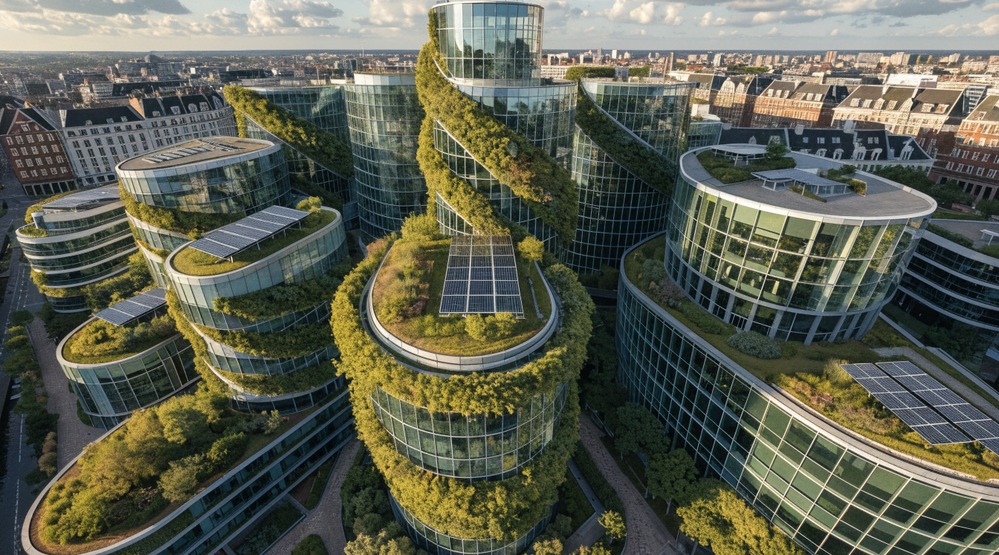
Some LEED Platinum projects have demonstrated energy savings of around 40% or more compared with conventional buildings. The results highlight what can be achieved when energy performance is considered from the early design stage rather than addressed after construction is complete.
That said, the figure should not be treated as a standard result for every LEED Platinum building. Actual savings depend on the building’s design, location, systems, occupancy and day-to-day operation.
Where the Energy Savings Come From
LEED, or Leadership in Energy and Environmental Design, is one of the most widely recognised green building certification systems. Platinum is its highest certification level.
Energy efficiency is one part of the broader LEED framework, alongside areas such as water efficiency, materials, indoor environmental quality and sustainable site development.
In practice, achieving lower energy consumption often comes down to getting several basic things right.
HVAC systems are one of the biggest areas to address. Efficient chillers, variable-speed equipment, smart controls and properly designed ventilation can reduce the amount of energy needed to maintain comfortable indoor conditions.
Lighting is another opportunity. LED fixtures, occupancy sensors and daylight controls can cut unnecessary electricity use, particularly in offices and large commercial buildings.
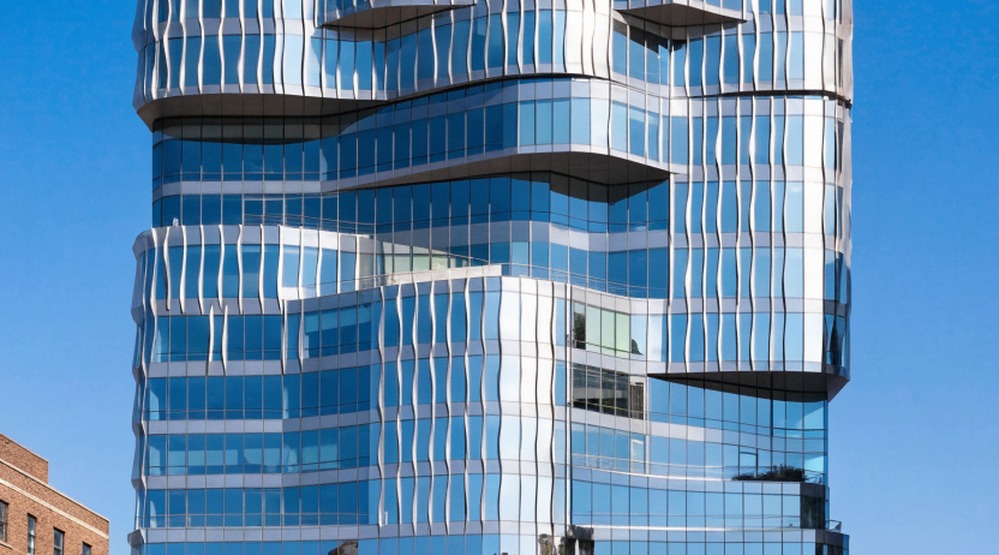
The building envelope also matters. Good insulation, efficient glazing and external shading can limit unwanted heat gain and heat loss. In hot climates, that can reduce the load on air-conditioning systems considerably.
Indian Projects Demonstrate the Potential
Examples from India provide a useful indication of what high-performing buildings can achieve.
A study examining three LEED Platinum commercial buildings reported energy savings ranging from 40% to 63% compared with conventional building consumption. The projects included Wipro’s facility in Gurgaon, ITC Green Centre in Gurgaon and CII Godrej GBC in Hyderabad.
These projects are useful case studies because they show that energy efficiency does not depend on a single technology. Building design, mechanical systems, lighting, controls and operational practices all work together.
For project teams, this is an important distinction. Installing efficient equipment alone does not automatically produce a highly efficient building. The systems need to be properly designed, commissioned and operated.
Measuring Performance After Construction
One of the challenges in sustainable construction is the gap that can sometimes exist between design expectations and actual building performance.
A building may be designed to meet ambitious energy targets, but its results after occupancy can be influenced by operating schedules, maintenance, equipment settings and occupant behaviour.
That makes energy monitoring increasingly important.
Building management systems, smart meters and sub-metering can help facility teams understand where electricity is being consumed. If a particular system is using more energy than expected, operators can investigate and make adjustments before the problem becomes a long-term cost.
Research into LEED-certified buildings has also found that energy performance varies considerably between individual projects. This reinforces the need to look beyond certification alone and examine how a building performs in real-world conditions.
Why This Matters for Construction
For developers and owners, energy efficiency can deliver benefits well beyond an environmental label. Lower consumption can reduce operating expenses over the building’s lifetime while supporting corporate carbon-reduction targets.
It also changes the way construction teams need to approach projects.
Energy performance should be discussed between architects, engineers, contractors and owners before major design decisions are locked in. Choices involving glazing, insulation, HVAC capacity, lighting and controls can have consequences for both construction cost and future operating expenses.
The experience of LEED Platinum projects achieving substantial energy savings shows that better building performance is possible when these decisions are considered as part of one integrated strategy.
As energy costs, building standards and emissions targets continue to influence the construction sector, the focus is shifting from simply constructing buildings to delivering buildings that perform efficiently for years after handover.