




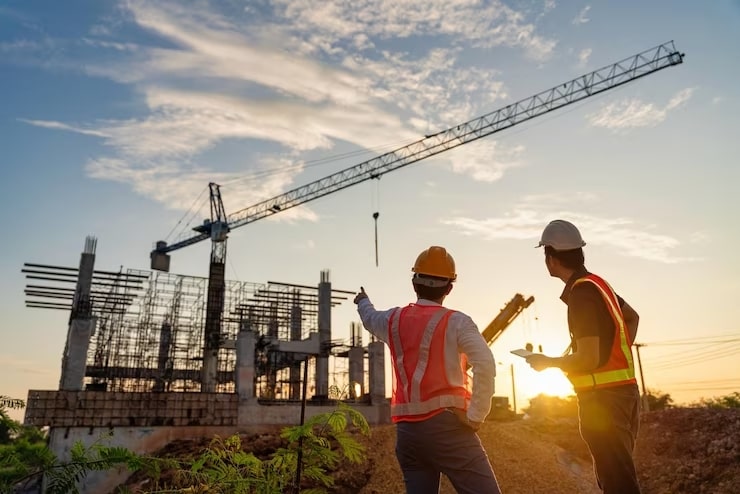
The North American construction market is on track to reach a staggering USD 5.06 trillion by 2031, fueled by a combination of infrastructure investment stimulus and a resurgence in housing starts. This growth trajectory is not just a number; it signifies a pivotal shift in how construction stakeholders approach projects and investments. As we look ahead to 2026, the implications of this growth become increasingly relevant, particularly for those involved in financing, building, and regulating infrastructure.
In 2026, the construction landscape will reflect the effects of significant federal and state infrastructure spending initiatives. These programs aim to modernize aging infrastructure, enhance transportation networks, and improve public utilities. The Biden administration’s infrastructure plan, which allocated billions for roads, bridges, and broadband, has already started to reshape the market. This investment is expected to stimulate job creation and drive demand for materials and services across the sector.
Housing starts are also rebounding, contributing to the overall market growth. After a period of stagnation, the residential construction segment is witnessing renewed vigor. Factors such as low mortgage rates and a growing population are driving demand for new homes. As builders ramp up construction to meet this demand, the ripple effects will be felt throughout the supply chain, from raw materials to skilled labor.
However, this growth is not without its challenges. The construction industry faces rising costs, particularly in materials and labor. Supply chain disruptions, exacerbated by the pandemic, have led to increased prices for essential materials like lumber and steel. In 2026, stakeholders will need to navigate these challenges carefully to maintain profitability while meeting the growing demand.
Investors are keenly aware of these dynamics. The projected market size presents lucrative opportunities, but it also requires a nuanced understanding of the risks involved. Investors will need to assess which segments of the construction market are poised for growth and which may face headwinds. For instance, while infrastructure projects may benefit from government support, residential construction could be more vulnerable to fluctuations in interest rates and consumer confidence.
Moreover, sustainability is becoming a critical consideration in construction projects. As environmental concerns grow, there is increasing pressure on builders to adopt green practices. This shift not only affects project design and materials but also influences investor sentiment. Projects that prioritize sustainability may attract more funding and support, as stakeholders recognize the long-term benefits of environmentally friendly practices.
Another factor influencing the North American construction market is technological advancement. The integration of Building Information Modeling (BIM), drones, and other innovative technologies is transforming how projects are planned and executed. These tools enhance efficiency, reduce waste, and improve safety on job sites. As the market grows, the adoption of such technologies will likely accelerate, offering competitive advantages to early adopters.
Looking ahead, the construction market’s growth will also depend on regulatory frameworks. Policymakers play a crucial role in shaping the environment in which construction operates. Streamlined permitting processes and supportive zoning laws can facilitate faster project delivery, while overly stringent regulations may hinder progress. Stakeholders must engage with policymakers to ensure that the regulatory landscape supports the industry’s growth.
In summary, the North American construction market is set for significant growth, with a projected size of USD 5.06 trillion by 2031. This expansion is driven by infrastructure investment stimulus and a rebound in housing starts. However, stakeholders must remain vigilant about rising costs, sustainability, and technological advancements. As we approach 2026, the decisions made today will have lasting implications for the future of construction in North America.