
Construction is changing, and sustainability is no longer something developers can treat as an optional extra. Rising material costs, tighter project schedules, and growing pressure to reduce waste are forcing contractors and developers to rethink how buildings are designed and delivered.
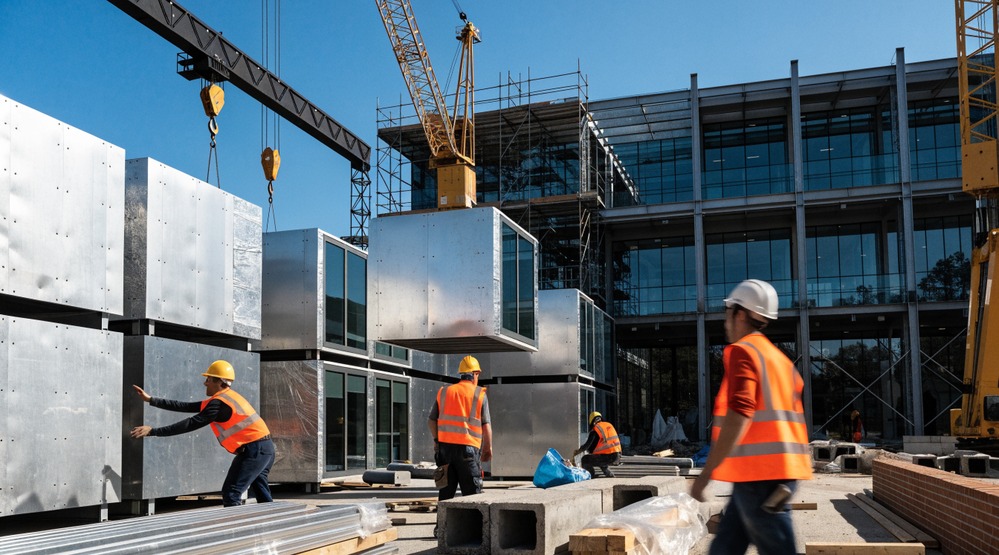
One approach gaining attention is prefabricated construction. Instead of producing every component at the job site, parts of a building are manufactured in a controlled factory environment and then transported to the site for assembly.
The idea is not new, but better design software, manufacturing techniques, and building systems are making prefabrication more practical for modern projects.
What Is Prefabricated Construction?
Prefabricated construction involves manufacturing building components away from the construction site. Depending on the project, this can include wall panels, floor systems, structural elements, roof sections, or complete modular units.
The components are produced to specific dimensions and later assembled on-site.
For contractors, one of the biggest advantages is greater control over the construction process. Factory production is less exposed to weather, site congestion, and some of the material handling problems commonly seen on busy construction sites.
Reducing Construction Waste
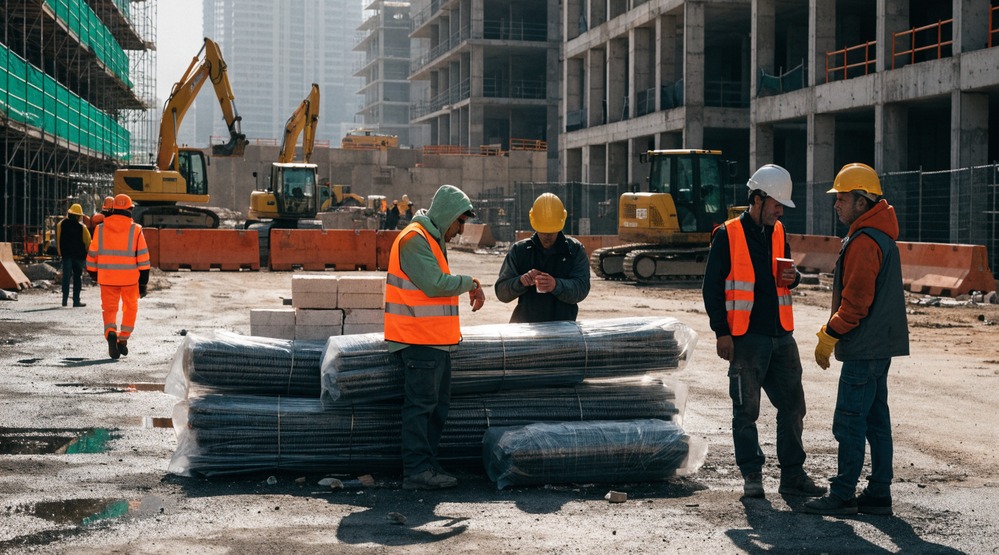
Walk around a conventional construction site and it is easy to see where waste comes from. Timber offcuts, damaged materials, excess packaging, concrete leftovers, and incorrectly cut components can quickly add up.
Prefabrication can reduce some of this waste because materials are measured and cut in a controlled manufacturing environment. Components are produced according to detailed designs rather than being repeatedly adjusted on-site.
For example, a factory producing wall panels can optimize cutting patterns before production begins. That can mean fewer offcuts and better use of the materials purchased for the project.
The actual reduction, however, depends on the design, manufacturing process, and materials being used.
Making Better Use of Materials
Sustainable construction is not simply about using “green” products. It is also about using the right amount of material and avoiding unnecessary rework.
This is where prefabrication can work well alongside Building Information Modelling (BIM) and digital design tools. Design teams can coordinate structural, architectural, and building-service requirements before manufacturing begins.
Identifying a clash between an MEP service and a structural element during design is far cheaper than discovering the same problem after a component has already been manufactured or installed.
Materials such as responsibly sourced timber, recycled steel, or lower-carbon concrete can also be incorporated where they are suitable for the project.
Can Prefabrication Reduce Carbon Emissions?
Potentially, yes—but it is not automatic.
Factory production can provide better control over energy use and manufacturing efficiency. Fewer on-site activities may also reduce certain forms of equipment use, material handling, and rework.
But transportation matters too. A large prefabricated component manufactured hundreds of kilometres away may have a different environmental footprint from one produced closer to the project.
That is why sustainability should be considered across the whole life cycle of a building, rather than judging prefabrication on the manufacturing stage alone.
Faster Construction With Less Site Disruption
Time is another reason contractors are looking closely at prefabrication.
While foundations and other site work are underway, building components can be manufactured at the same time. Once the site is ready, those components can be delivered and assembled.
This can reduce the amount of work required on-site and, in some projects, help shorten the overall construction programme.
It can also reduce site disruption, which is particularly useful for projects in busy urban areas where storage space, traffic management, and working hours are already challenging.
The Challenges Contractors Need to Consider
Prefabrication is not the right answer for every project.
Large components can be expensive or difficult to transport. Factory capacity, specialist labour, crane requirements, and early design decisions also need to be considered.
There is another important point: moving construction into a factory does not automatically make a project sustainable. The materials, manufacturing energy, transportation, durability, and eventual reuse or disposal of components all affect the final environmental impact.
The Road Ahead
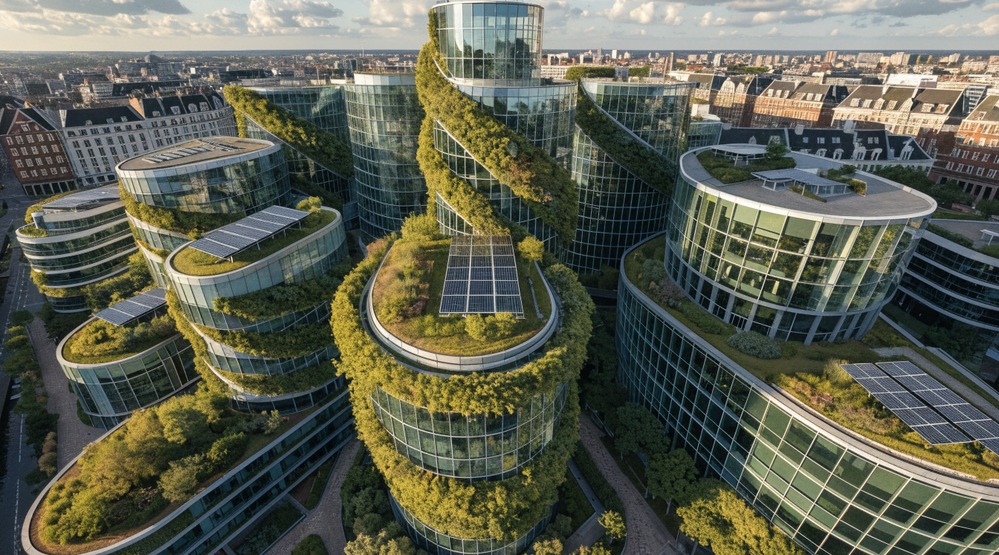
Prefabricated construction has a useful role to play in the shift toward more sustainable building. Its biggest value may come from combining better planning, controlled manufacturing, accurate material use, and efficient site assembly.
For developers and contractors, the question should not simply be whether prefabrication can make a project faster. It should be whether the approach can deliver a durable building while reducing waste, unnecessary rework, and resource consumption.
Used in the right circumstances, prefabrication can become an important part of a more efficient and responsible construction process.