




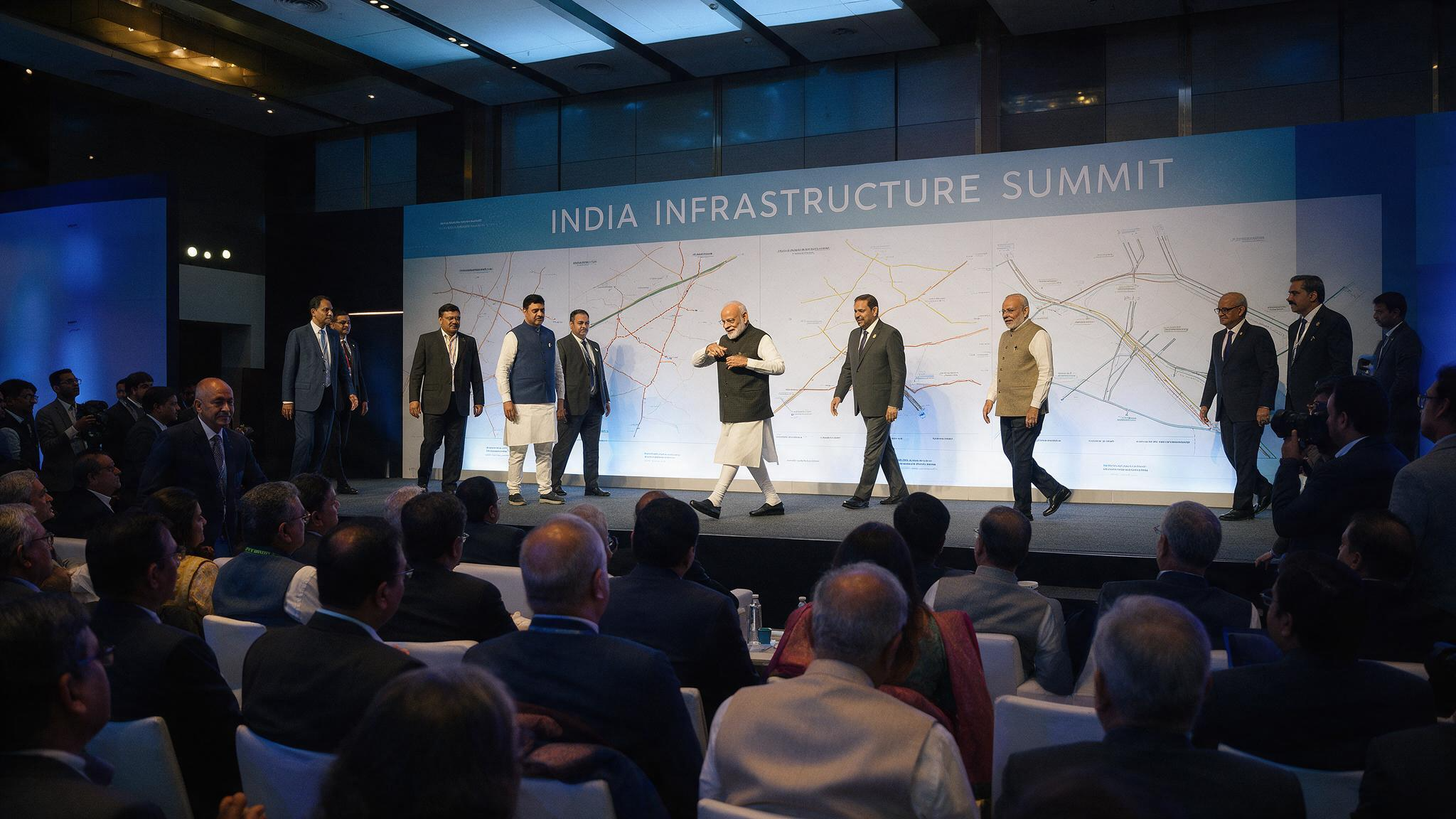
Prime Minister Modi’s recent call for end-to-end reforms in infrastructure execution emphasizes the government’s commitment to enhancing project delivery and integrated planning for major initiatives by 2026. This push for reform comes at a crucial time as the nation gears up for significant infrastructure projects that are expected to reshape the landscape of urban development and connectivity. Modi’s vision aims to streamline processes, reduce delays, and ensure that projects are completed on time, which is essential for meeting the growing demands of India’s expanding population and economy.
The focus on timely delivery reflects a broader shift in how the government approaches infrastructure projects. By integrating planning across various sectors, the government seeks to eliminate silos that often lead to inefficiencies. This means that stakeholders—from contractors to local governments—will need to adapt to a more collaborative environment where communication and coordination are prioritized. The implications for the construction industry are profound, as companies will need to align their operations with these new expectations.
For stakeholders in the construction sector, the evolving regulatory landscape presents both challenges and opportunities. As the government implements these reforms, companies will need to navigate new compliance requirements and adapt their project management strategies accordingly. This could involve investing in new technologies or methodologies that enhance transparency and accountability. The emphasis on integrated planning means that firms must also engage in more comprehensive risk assessments and stakeholder consultations to ensure that projects align with national priorities.
One of the key aspects of Modi’s reforms is the commitment to enhancing project delivery through better resource allocation and management. This includes not just financial resources but also human capital and technological tools. Companies that can leverage data analytics and project management software will likely find themselves at an advantage in this new environment. The government is expected to provide guidelines and support for adopting these technologies, which could lead to a more efficient and effective construction process.
As we look toward 2026, the success of these reforms will depend on the ability of stakeholders to adapt and innovate. The construction industry has historically faced criticism for delays and cost overruns, and these reforms aim to address those issues head-on. By fostering a culture of accountability and efficiency, the government hopes to set a new standard for infrastructure execution in India.
In summary, Modi’s call for reforms in infrastructure execution is not just a bureaucratic update; it’s a significant shift that will require all players in the construction industry to rethink their strategies. The focus on timely delivery and integrated planning is a clear signal that the government is serious about improving project outcomes. Stakeholders must prepare for a more dynamic regulatory environment, where collaboration and innovation will be key to success. As we move closer to 2026, the construction sector stands at a pivotal moment, with the potential to redefine how infrastructure projects are delivered in India.