


Rising construction costs are reshaping project budgets and profitability in 2026, driven by escalating input prices that have become a persistent challenge for the industry. As firms grapple with these financial pressures, the implications for project viability and overall market health are significant. The construction sector, already navigating a complex landscape of inflation, is now forced to reassess its strategies to maintain profitability while delivering on commitments.
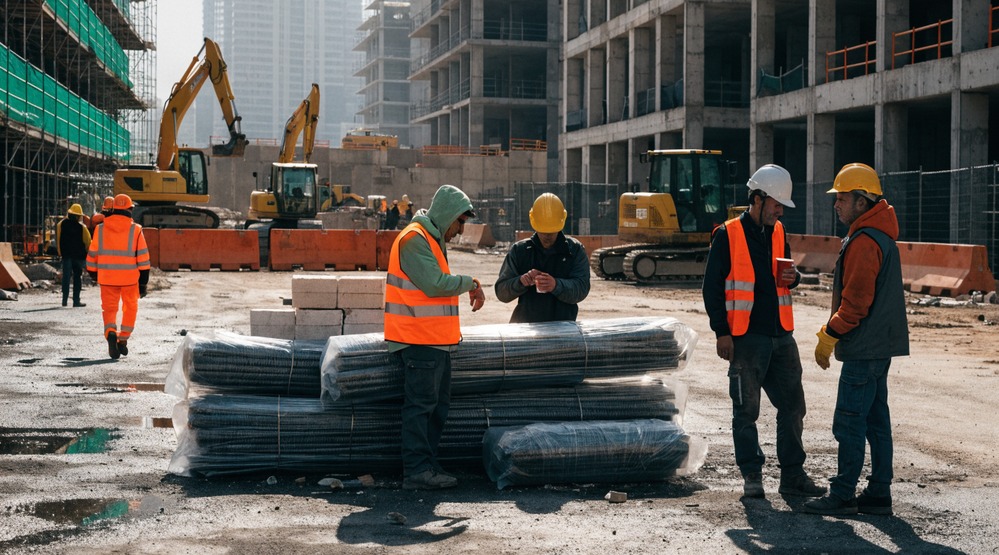
The surge in costs can be attributed to several factors, including increased prices for raw materials, labor shortages, and supply chain disruptions. For instance, steel and cement prices have seen notable hikes, impacting the overall cost structure of construction projects. This situation is not merely a temporary spike; it reflects a broader trend that has been building since 2024, when inflationary pressures began to intensify. By 2025, many firms were already feeling the pinch, with budgets stretched thin as they attempted to absorb rising costs without sacrificing quality or timelines.
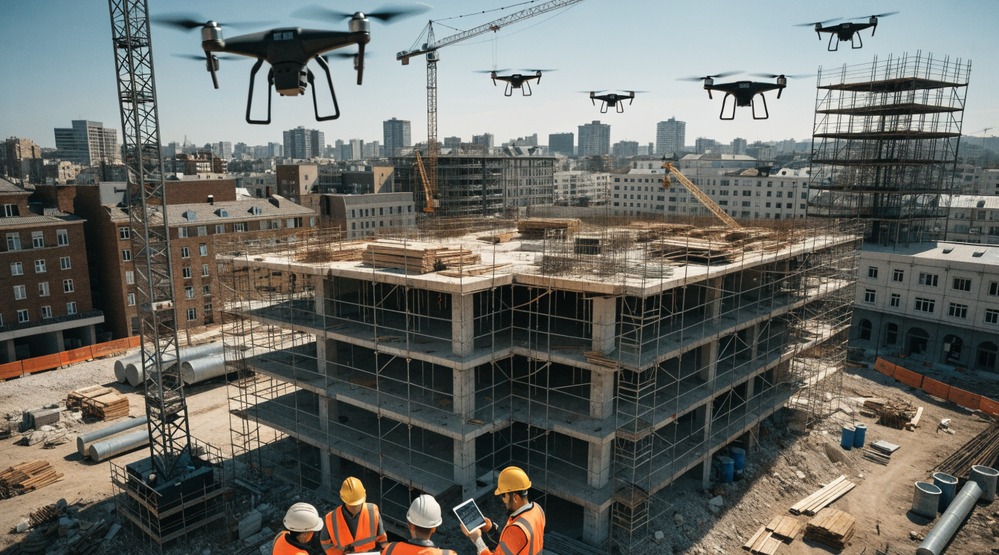
As a result, project managers are now more than ever focused on effective cost management strategies. These strategies include rigorous budgeting practices, enhanced procurement processes, and the adoption of technology to streamline operations. For example, firms are increasingly investing in project management software that provides real time data analytics, enabling better forecasting and decision making. This shift towards data driven management is crucial in an environment where every dollar counts.
Moreover, companies are exploring alternative materials and construction methods to mitigate costs. Prefabrication and modular construction, which allow for greater efficiency and reduced waste, are gaining traction as viable options. These approaches not only help in controlling expenses but also contribute to faster project delivery times, which is essential in a competitive market. The construction industry is learning that innovation can be a powerful ally in the face of rising costs.
Another critical aspect of navigating these challenges is fostering strong relationships with suppliers. By negotiating long term contracts and establishing partnerships, firms can secure more stable pricing and ensure timely delivery of materials. This proactive approach can buffer against sudden market fluctuations and provide a degree of predictability in budgeting. As the industry adapts, collaboration will become increasingly important in maintaining profitability amidst ongoing inflation.
In 2026, the construction sector must also be mindful of the external economic environment. Interest rates, for instance, play a significant role in project financing and overall investment decisions. As borrowing costs rise, firms may find it more challenging to secure funding for new projects, further straining budgets. This interplay between rising costs and financial accessibility underscores the need for a comprehensive understanding of market dynamics.
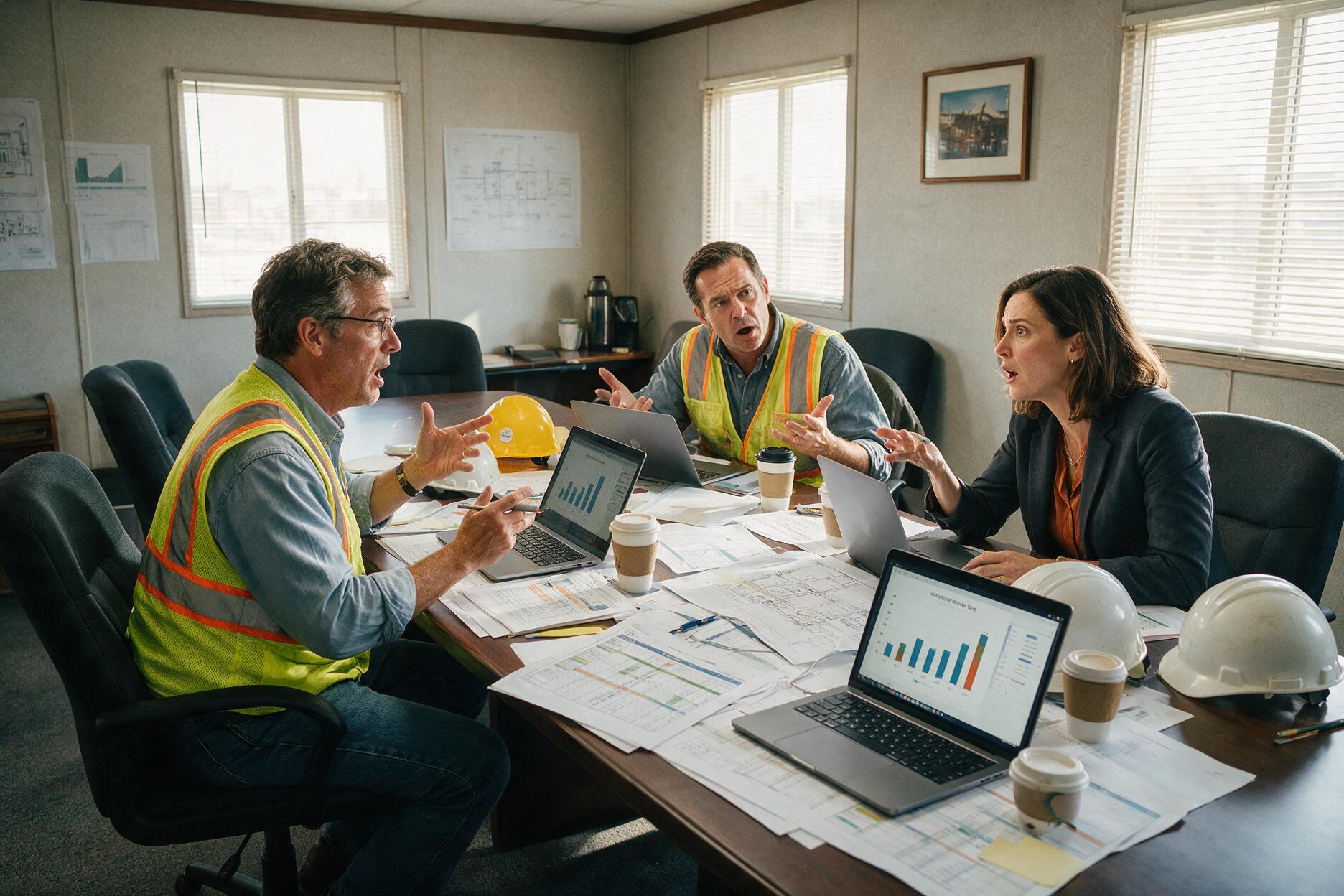
To address these complexities, construction firms are prioritizing transparency and communication within their teams and with stakeholders. Clear reporting on budgetary constraints and project timelines can help manage expectations and foster trust. This transparency is essential not only for internal alignment but also for maintaining client relationships, which can be jeopardized by unforeseen cost overruns or delays.
Ultimately, the rising construction costs in 2026 are a wake up call for the industry. Firms that adapt quickly and effectively to these challenges will not only survive but may also thrive in a landscape that rewards innovation and strategic foresight. As the sector continues to evolve, the emphasis on cost management and operational efficiency will be paramount in ensuring sustainable growth and profitability.