




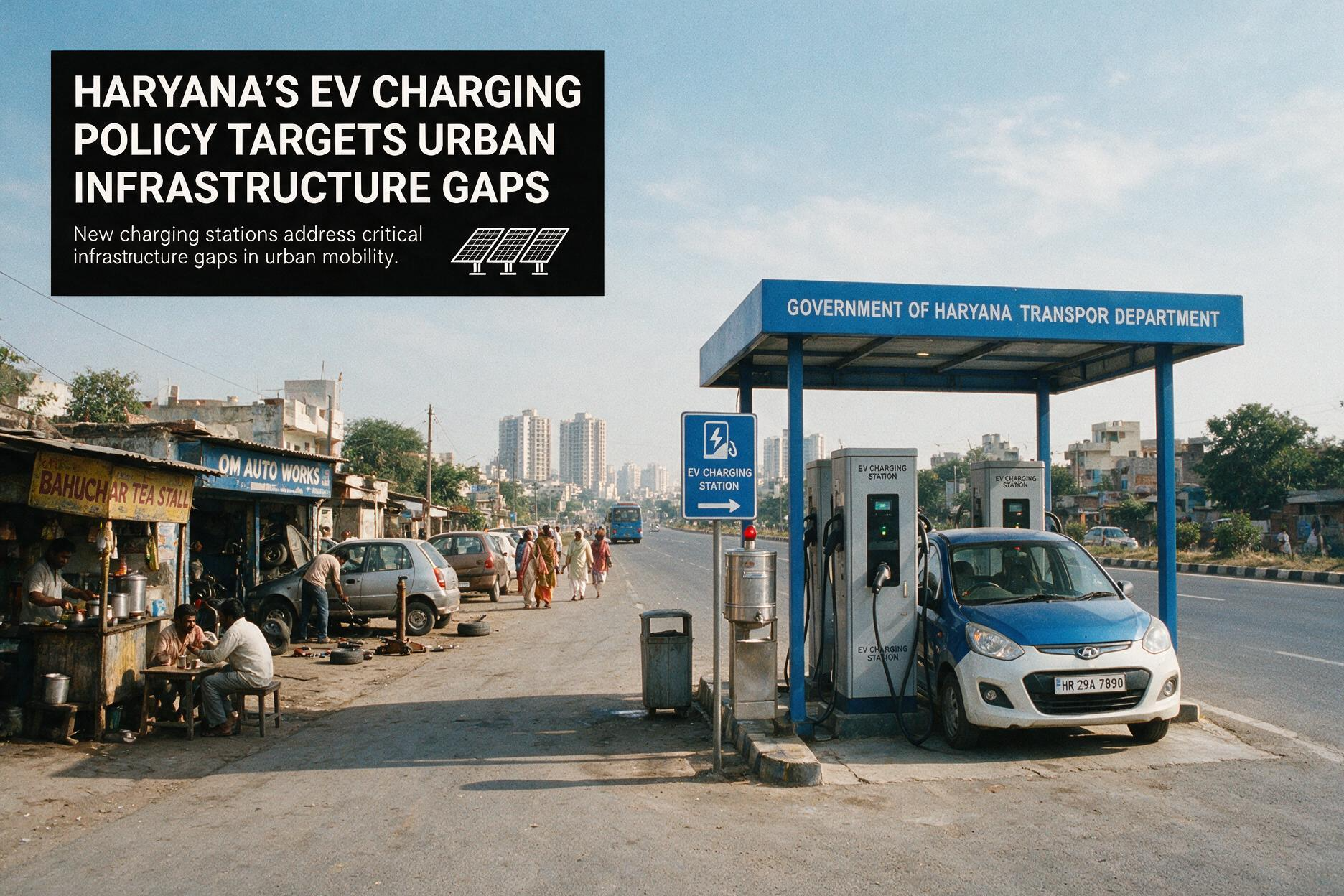
Haryana’s recent review of its 2026 electric vehicle (EV) charging policy has unveiled significant regulatory gaps that could hinder the state’s push for increased EV adoption. As the demand for electric vehicles rises, the need for robust charging infrastructure becomes critical. The review highlights that current regulations do not sufficiently address the needs of urban housing developments, where many residents lack convenient access to charging stations.
One of the primary concerns identified in the review is the inadequate provision for residential EV charging infrastructure. Many urban housing complexes lack the necessary electrical capacity to support multiple charging points, which can deter potential EV buyers. The state government has recognized that without proper infrastructure, the ambitious targets set for EV adoption will remain out of reach. In 2024 and 2025, Haryana made strides in promoting electric vehicles, but the lack of charging facilities in residential areas has become a bottleneck.
To address these issues, the review recommends several key changes. First, it suggests implementing regulations that require new housing developments to include dedicated EV charging stations. This would ensure that residents have easy access to charging facilities right where they live. Additionally, the policy could mandate that existing residential complexes retrofit their infrastructure to accommodate EV charging. This approach not only enhances accessibility but also aligns with the state’s broader goals of sustainability and reducing carbon emissions.
Another recommendation focuses on incentivizing private developers to invest in charging infrastructure. By offering tax breaks or subsidies for the installation of charging stations, the government can encourage more developers to integrate these facilities into their projects. This could lead to a significant increase in the number of charging points available to residents, making EV ownership more appealing.
Moreover, the review emphasizes the importance of public awareness campaigns. Educating residents about the benefits of electric vehicles and the availability of charging infrastructure can drive demand. If potential buyers understand that they can charge their vehicles conveniently at home, they may be more inclined to make the switch from traditional gasoline-powered cars.
The need for a comprehensive approach to EV charging infrastructure is clear. As Haryana aims to become a leader in electric vehicle adoption, addressing these regulatory gaps is essential. The recommendations from the review are not just about improving access; they are about reshaping the urban landscape to support a sustainable future. With the right policies in place, Haryana can pave the way for a cleaner, greener transportation system.
Ultimately, the success of Haryana’s EV strategy hinges on its ability to adapt its regulations to meet the evolving needs of its residents. By prioritizing the development of residential charging infrastructure, the state can ensure that it is not just keeping pace with the national trend but leading it. As we move further into 2026, the focus will be on how effectively these recommendations are implemented and the impact they will have on the state’s EV adoption rates.